




Kim Hill Hot Topic
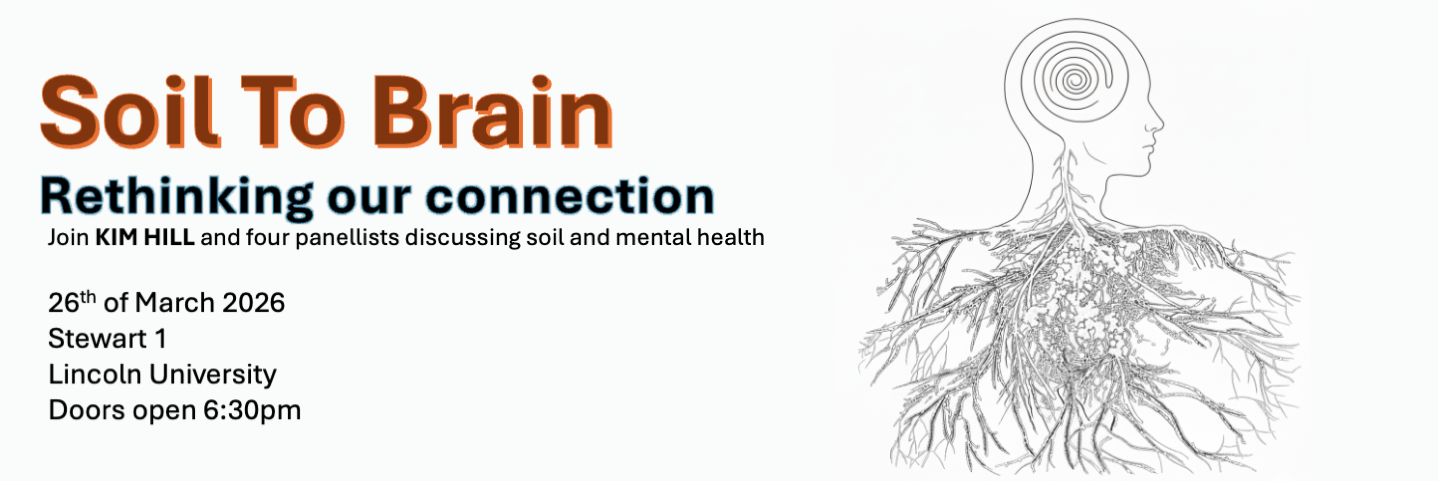
Soil To Brain: Rethinking our connection
The escalating global mental health crisis may be more deeply rooted in the soil than we think. Through our food systems and physical contact, soil provides nutrients and beneficial microbes but also carries the risk of neurotoxic contaminants and pathogens. The Hot Topic will bring a science-based discussion with Kim Hill and four panellists to explore this broken balance and how our disrupted relationship with soil is affecting the connections between food systems and mental health. From the soil, through the hyphae of mycorrhizal fungi, into the roots of plants, and ultimately into our food, soil is the foundation of life on Earth. Besides the lack of micronutrients in agricultural soils, farming practices prioritise high-yield crops over nutrient-dense ones, creating a "hidden hunger". This results in crops with reduced levels of nutrients that support brain health and emotional resilience. Food processing further strips nutrients from these already depleted crops, breaking our biological and cultural connection to the soil. Urban lifestyles and intensive agricultural sanitisation practices reduce our contact with immuno-regulatory bacteria. The overuse of antiseptics and antibiotics alters the gut microbiota diversity essential for mental health. Less exposure to soil microbes contributes to depression and anxiety. At the same time, soil contaminants can enter our food, disrupting neurodevelopment and brain function. Chronic low-dose exposure of these soil contaminants correlates with increased ADHD, anxiety disorders, and lower IQ across generations. Alarmingly, poorer communities face a disproportionate risk through contaminated urban soils. Have we broken our minds by breaking our bond with soil, and is it time to rebuild that connection through our food, health, and agricultural systems? The discussion intends to cover topics such as breeding for nutrition instead of biomass, the role of (ultra)processed foods, the use of antiseptics and antibiotics, dietary supplements, school lunches, and lab-grown food.
Panellists
Professor Julia Rucklidge

Julia Rucklidge is Professor of Clinical Psychology at the University of Canterbury and Director of Te Puna Toiora | The Mental Health and Nutrition Research Lab. Her work investigates the role of micronutrients in the expression and treatment of mental illnesses, including ADHD, mood disorders, anxiety, and stress. Rucklidge challenges the conventional medication-first approach in psychiatry, advocating for nutrition as a foundational element of mental healthcare. She earned her PhD at the University of Calgary and completed a post-doctoral fellowship at the Hospital for Sick Children in Toronto. Since establishing her research programme in New Zealand, she has published over 170 peer-reviewed scientific papers and led numerous randomised controlled trials. Her studies consistently demonstrate that optimising nutrient intake through broad-spectrum vitamin and mineral formulas leads to significant improvements in mood, attention, and psychological functioning. Her 2014 TEDx Christchurch talk, "The surprisingly dramatic role of nutrition in mental health", has over 5 million views, raising global awareness of her findings. She co-authored The Better Brain, which translates her scientific research into practical guidance. Through extensive research, teaching, and advocacy, Professor Rucklidge is reshaping the conversation around mental health, positioning nutritional science as an indispensable tool for clinicians and individuals.
Dr Carolyn Lister
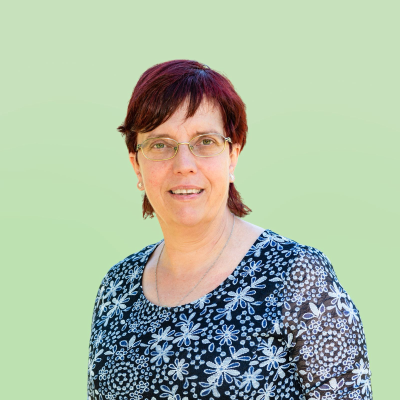
Dr. Carolyn Lister is a Principal Scientist at the Bioeconomy Science Institute. She is a leading expert in food science, specialising in the phytochemicals and bioactive compounds within plant-based foods that confer health benefits. She completed her PhD in plant biochemistry through the University of Canterbury. A fellowship at the University of Glasgow in 1997 sparked her interest in the role of plant pigments in human health. Dr. Lister’s career has focused on identifying and quantifying these compounds, providing the critical scientific evidence linking the consumption of specific foods to human health outcomes, particularly in the areas of cognitive function, metabolic health, and healthy ageing. Her research portfolio is extensive, including both iconic NZ crops as well as the unique properties of heritage apple varieties, taonga potatoes, and other novel crops. Dr. Lister's research provides the scientific validation that underpins New Zealand’s high-value functional food and natural health product industries, allowing for credible health claims on domestic and international markets. Furthermore, her work informs the development of new, more nutritious food cultivars, contributing to public health goals. Dr. Lister’s work bridges the gap between food production and human nutrition, driving innovation in the food sector and empowering consumers with knowledge about the benefits nutrient dense foods.
Professor Pablo Gregorini
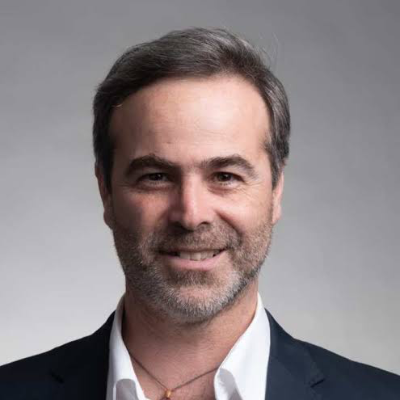
Pablo Gregorini is Professor of Livestock Production at Lincoln University, where he is also the Chief Scientist for the Centre of Excellence for Designing Future Productive Landscapes. A leading voice in agricultural science, his work focuses on redesigning pastoral farming systems to be more resilient, sustainable, and ethically sound. Professor Gregorini challenges conventional, reductionist approaches, advocating for a holistic perspective that integrates animal science with ecology, social science, and complex systems thinking. His goal is to create agricultural landscapes that are simultaneously productive, profitable, and environmentally regenerative. He investigates the intricate interactions between foraging animals, the plants they consume, and the wider ecosystem. This includes studying animal behaviour, metabolism, and nutrient cycling to optimise livestock health and performance while minimising environmental impact. Professor Gregorini is recognised as a thought leader and agricultural philosopher who pushes the boundaries of farming science. Through his extensive list of publications, his mentorship of postgraduate students, and his leadership roles, he is influential in shaping the future of pastoralism in New Zealand and overseas.
Dr Hadee Thompson Morrison

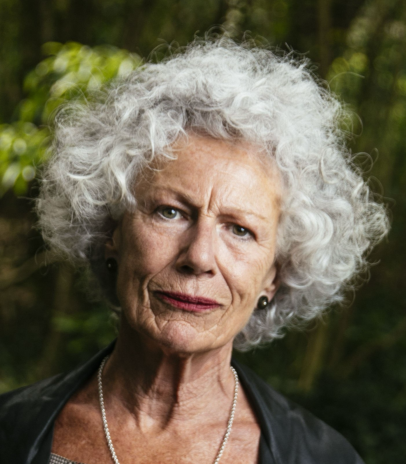
Dr. Hadee Thompson-Morrison is an accomplished Researcher in Soil Chemistry at the Bioeconomy Science Institute, specialising in soil health and trace element biogeochemistry. An emerging leader in her field, she was the recipient of the prestigious 2024 Zonta Science Award, which recognises the exceptional achievements of early-career women scientists in New Zealand. Dr. Thompson-Morrison’s research focuses on understanding the behaviour of trace elements in agricultural and urban environments to improve both environmental sustainability and human health outcomes. Her work investigates how essential nutrients and potentially harmful contaminants, such as copper, zinc, and cadmium, accumulate in soils and are taken up by plants. This research is critical for managing the long-term impacts of agricultural practices like the use of fertilisers and imported animal feeds. Dr. Thompson-Morrison completed her PhD in Environmental Science at the University of Canterbury, where she developed a sophisticated model to predict the accumulation of trace elements in soils over time. Her research is designed to contribute to changes in agricultural practices (such as reducing the use of palm kernel expeller in New Zealand's agricultural systems), enhancements in the nutritional quality of food, and protection of the health of our ecosystems.
About the Kim Hill Hot Topic
The annual Kim Hill Hot Topic is held each March at Lincoln University and comprises a robust, thought-provoking debate on contemporary environmental issues. The Hot Topic series is run by the Lincoln Envirotown Trust and is supported by Lincoln University and other sponsors with an interest in the current Hot Topic. Kim Hill is a nationally acclaimed broadcaster whose involvement guarantees a high standard of discourse and lends the event significant public credibility. The platform allows for the nuanced exploration of "hot topics" in a manner that is both accessible to the public and respected by experts. The event typically attracts around 300 attendees. The event is held in Lecture Theatre One of the Stewart Building at Lincoln University. The evening typically begins at 6:30 pm, with time for networking before the formal proceedings commence at 7:30 pm. During this initial period, attendees can mingle while enjoying refreshments and nibbles, with beverages available from a cash bar. This social component is intended to refocus the evening from a passive lecture into an active gathering of an engaged community. While a $5 koha is requested at the door, the event is not-for-profit and community oriented. The Kim Hill Hot topic started as part of Earth Hour which first started 2007 in Sydney to raise awareness of climate change. The Lincoln Envirotown Trust has been coordinating the Kim Hill Hot topic events since 2011; the first one was titled “Green Growth or Gas Guzzlers”.
Previous Hot Topics
2025 (March 27): Powering our Future - Our Social and Environmental Responsibility. Panelists: Wim de Koning (Lincoln University), Claudia Schneider (University of Canterbury), Pip Newland (Orion Ltd.), Nathan Surendran (Schema Consulting Ltd.)
2024 (March 28): Plastic - how do we live with it? Panelists: Rob Wilson (EcoCentral), Rachel Barker (Plastics NZ), Ian Shaw (University of Canterbury), Gavin Lear (University of Auckland)
2023 (March 30): Tourism Reset - Environment and wallets Priorities post covid. Panelists: Stephen Espiner (Lincoln University), Susanne Becken (DOC), Tyla Harrison-Hunt (CCC), Justin Watson (Christchurch Airport).
2021 (March 24): What’s your poison? - pesticides good or evil? Panelists: Charles Merfield (Lincoln University), Ian Shaw (University of Canterbury), Mark Ross (Agcarm), Hamish Marr (Farmer)
Watch this video on YouTube2019 (April 1): Peak Meat - A Game Changer for Food Production, The Environment & Health. Panelists: Nick Pyke (AgInnovate), Ronan Phelan (Environmentalist), Jocelyn Eason (Plant&Food), Kevin Marshall (Riddet Institute)
2018 (March 22): Soil - are we treating it like dirt? Panelists: Mike Headley (Massey University), Ants Roberts (Ravensdown), Trish Fraser (Plant & Food Research), Andy MacFarlane (Farmer)
2017 (March 23): Water – A Global Issue affecting New Zealand. Panelists: Bryan Jenkins (Waterways Centre for Freshwater Management), Ken Hughey (Lincoln University), Peter Townsend (Canterbury Employers' Chamber of Commerce), Brent Clothier (Plant & Food Research)
2016 (March 17): Extinction - Which Species Should We Save?